The Deepfake Briefing
Taylor Swift Did Not Ask You to Sign Up: The TikTok Deepfake Fraud Wave Reshaping Digital Risk
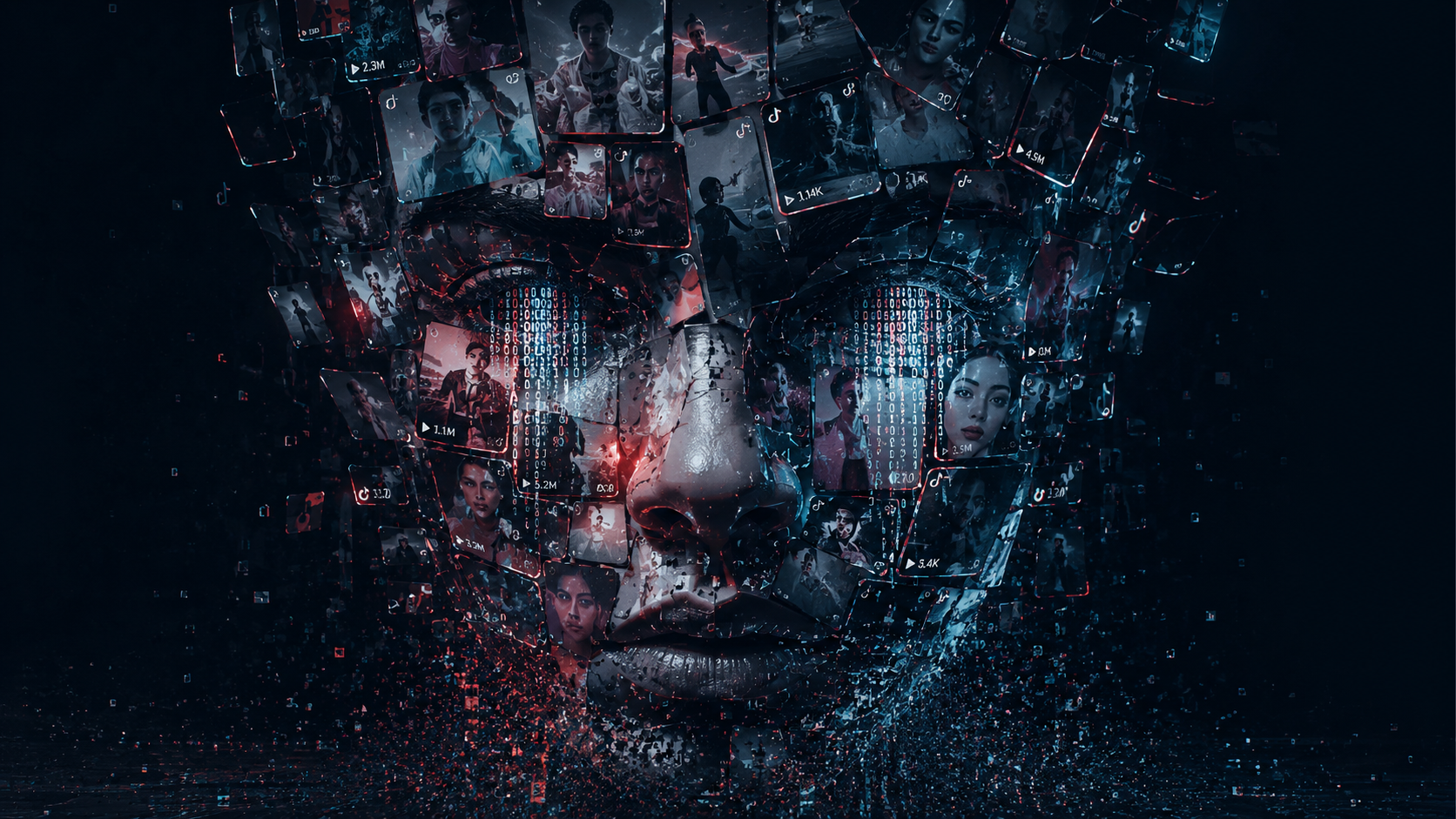
Last week, Taylor Swift, Rihanna, Kim Kardashian, Jennifer Aniston, and Emma Watson all appeared in TikTok ads pitching a money-making program. None of them recorded those ads. None of them said any of those words. None of them had any idea their faces were being used at all.
A new investigation released April 30 by AI detection firm Copyleaks revealed a wave of TikTok ads using AI-generated deepfakes of major celebrities to promote what appears to be a coordinated fraud operation, according to Copyleaks. The fake clips lifted real interview footage, cloned the voices, and used texture filters to hide the small artifacts that usually give a deepfake away. Then they routed clicks to slick third-party landing pages designed to harvest names, contact info, and ultimately money.
If you scrolled past one of these ads and almost tapped, you are not alone. The reason is simple. The deepfake fraud has gotten very good, very fast.
Music industry outlet Music Ally reported that the fake Swift and Rihanna ads were running with TikTok's own official branding, making them look like a sponsored opportunity from the platform itself. Bitdefender's analysis confirmed that the AI cloned both video and audio, with synthesized voices closely matching real interview clips. Click through, and you landed on a hastily built page asking for personal information in exchange for a rewards program that does not exist.
This is no longer a hobbyist trick or a one-off prank. This is industrialized deepfake fraud, scaled to social media advertising.
The natural reaction is to think this only matters for famous people. That misses the actual risk. The same technology powering a fake Taylor Swift can power a fake you. Modern voice cloning models can produce a convincing replica of someone's voice from as little as three to ten seconds of clean audio, according to Trend Micro. Anyone with a podcast appearance, conference talk, webinar recording, or LinkedIn video is a viable target.
We have already seen what happens when the targets are ordinary people. In Florida, Sharon Brightwell wired $15,000 after scammers cloned her grandson's voice and faked a roadside emergency. A UK energy company lost about €220,000 after a finance employee was tricked by a CEO voice clone. The Arup engineering case in Hong Kong, where a deepfake video call featuring fake versions of the CFO and other executives led to $25.6 million in transfers, was once a shocking outlier. Cases like it now happen with regularity.
Deepfake activity now accounts for 11 percent of global fraud activity in 2026. Banks and other organizations lose an average of $600,000 per voice deepfake incident. Global losses from deepfake-enabled fraud crossed $200 million in a single quarter last year. By 2027, projected losses sit at $40 billion worldwide.
What the numbers do not capture is the trust damage. Once your face or voice has been cloned and used, you cannot unclone them. You cannot revoke a likeness once it has been scraped, ingested, and trained into a model. The mess stays.
Federal and state legislators are starting to respond. The TAKE IT DOWN Act, signed in May 2025, requires platforms to remove non-consensual intimate deepfakes within 48 hours of notice, with full compliance kicking in this month. Tennessee's ELVIS Act extended right-of-publicity protection to AI voice clones. As of April 2026, 46 states have passed laws targeting AI-generated media in some form.
That is real progress. It is also nowhere near enough. None of these laws give you a financial backstop when your likeness is used to defraud a customer, an employer, or a family member. None of them cover the time, money, and reputational repair that follow a serious incident. None of them put your face back in your control.
This is the gap our work is built to close. The InsureMyAvatar community brings together the people, research, and partnerships needed to figure out what real protection should look like in a world where your face is no longer entirely your own.
Start small. Audit what your face and voice are doing online without your involvement. Search yourself on TikTok, Instagram, and YouTube. Set a Google Alert for your name. Talk to your family about a verification phrase to use in any emergency call asking for money. If a friend calls in tears asking for a wire transfer, hang up and call them back on a number you already know.
These are not paranoid moves anymore. They are basic hygiene.
The bigger move is to be informed and connected as this space evolves. We are tracking incidents, legislation, and emerging protections every week. You can be part of that conversation.
Deepfake fraud is moving faster than the systems built to handle it. The TikTok wave from last week is a warning shot, not a peak. The people who get ahead of this will be the ones who saw it coming and chose to learn, prepare, and connect with others doing the same.
Take our free risk assessment at insuremyavatar.com and sign up for weekly digital safety updates, news, and tips you need to know.
The threats, the laws, and how to stay protected, in your inbox each week.