The Deepfake Briefing
What Is a Deepfake? How to Spot One in 2026
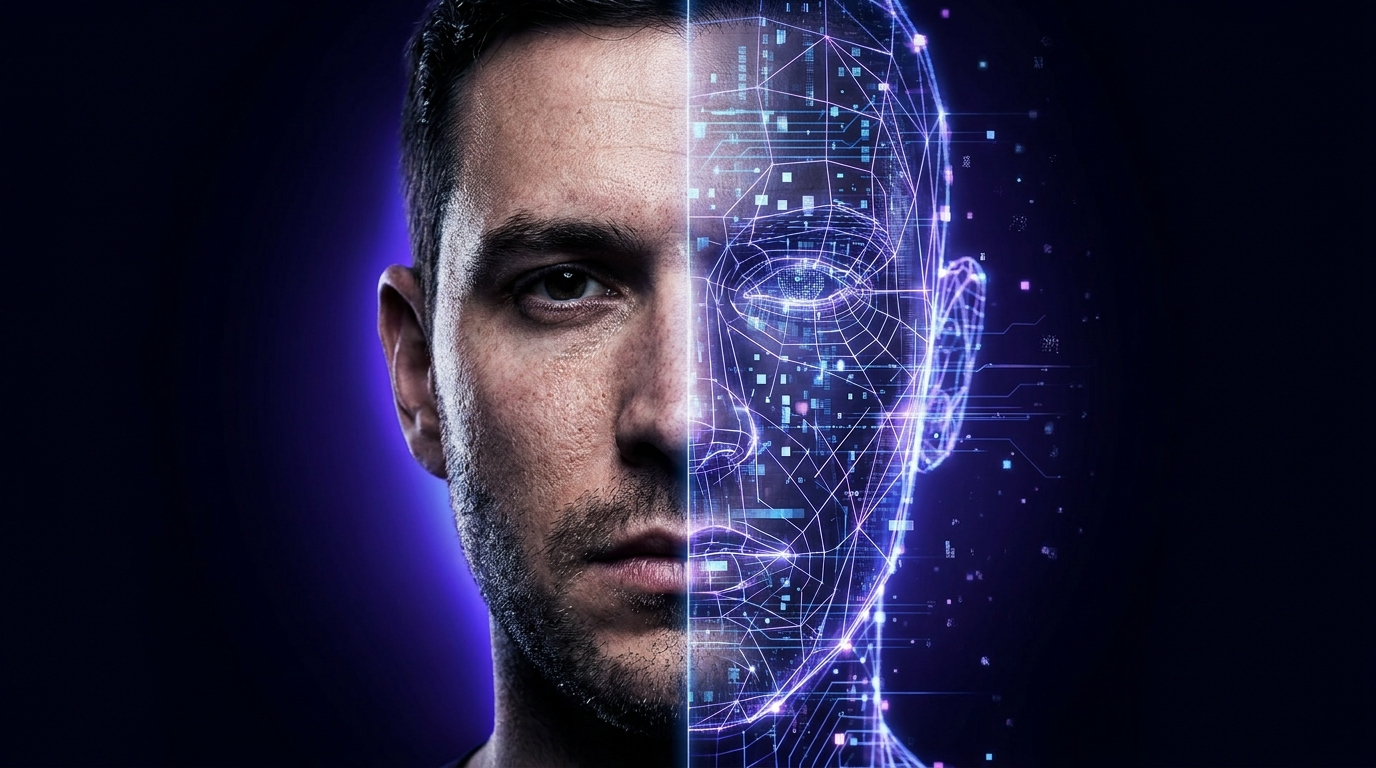
A few years ago, spotting a fake video was almost a party trick. Look for the weird blinking, the smudgy edges, the mouth that did not quite match the words. Today that advice is close to useless, and pretending otherwise does people a disservice. So let us start from scratch: what a deepfake actually is, how it works, and what genuinely protects you now that your own eyes cannot be trusted.
A deepfake is synthetic media, video, image, or audio, generated or altered by artificial intelligence to make someone appear to say or do something they never did. The name comes from deep learning, the AI technique behind it. The system studies real footage or recordings of a person, learns the patterns of their face or voice, and then produces new content that mimics them convincingly.
What used to require a skilled editor and a powerful computer now takes a consumer app and a few seconds of source material. That collapse in cost and skill is the entire reason this went from a novelty to a mainstream threat.
Most people first heard about deepfakes through celebrity face-swaps, but the real-world harm is broader and closer to home. Voice clones power emergency-scam phone calls to families. Fabricated video puts executives on calls authorizing wire transfers that never should have happened. Fake endorsements attach real faces to products they never approved. And non-consensual intimate imagery targets ordinary people, not just the famous. The common thread is trust: a deepfake does not steal your password, it steals your credibility and uses it against the people who believe in you.
Honestly? Less and less. The old visual tells, unnatural blinking, stiff head movements, lip-sync that drifts, flickering between frames, do still occasionally show up in lower-quality fakes, and they are worth knowing. But here is the sobering reality from recent research: only a tiny fraction of people can reliably distinguish modern AI-generated content from the real thing. The fakes have gotten good enough that visual inspection is no longer a dependable defense.
So if you cannot trust your eyes, what can you trust? Process.
The defenses that work in 2026 are not about looking harder. They are about verifying differently. A few that hold up:
Verify through a second channel. If a call or message asks for money or sensitive action, confirm it through a separate, known method, a callback to a saved number, a text, an in-person check. Manufactured urgency is the scammer's favorite tool, so slowing down is itself protection.
Use a family or team code word. A shared phrase that only your circle knows, required for any urgent request, defeats voice clones instantly because the AI does not know the word.
Shrink your raw material. Your public photos, videos, and voice clips are the training data for a fake of you. Tightening privacy settings reduces what a bad actor has to work with.
Know your rights. If you are targeted, laws like the federal TAKE IT DOWN Act now require platforms to remove non-consensual deepfake imagery within 48 hours of a valid request.
Deepfakes are not a future problem to brace for. They are a present one to build habits around. You will not win by getting better at squinting at videos, the technology has already outrun that. You win by changing how you verify trust: second channels, code words, a smaller footprint, and knowing the recourse available when something slips through. That mindset shift is the real protection.
Curious how vulnerable your face and voice are right now? Take our free 2-minute Deepfake Risk Assessment.
The threats, the laws, and how to stay protected, in your inbox each week.