The Deepfake Briefing
Voice Cloning Scams Cost Americans $797 Million Last Year. The Number Is Still Climbing.
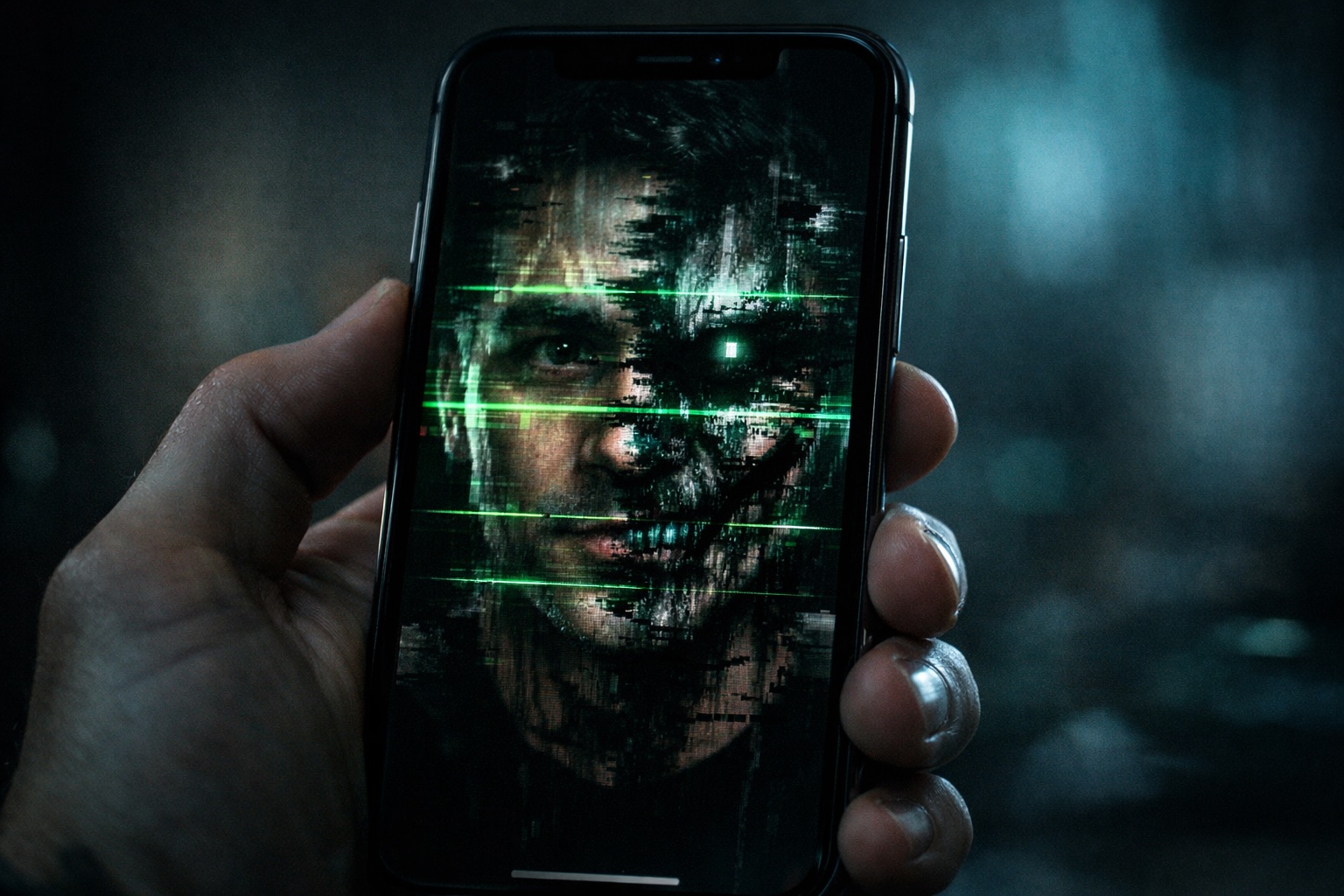
Earlier this month, the FBI released its annual Internet Crime Report with a number that should stop anyone mid-scroll: government official impersonation scam complaints nearly doubled in 2025, jumping from roughly 17,300 to nearly 32,500 in a single year. Losses tied to those scams hit $797 million, up from $405 million the year before. The tool making this possible at scale? AI-powered voice cloning.
A voice cloning scam used to require a skilled impersonator or a lucky break. Today it requires about three seconds of audio and a free app. The voice on the other end of the line can sound exactly like your senator, your CEO, or your mother. And the people falling for it are not careless or uninformed. They are everyone.
Researchers at Fortune reported late last year that voice cloning has crossed what they call the "indistinguishable threshold", the point where a synthetic voice is realistic enough to fool not just the average person, but in some cases, the systems designed to detect it. Tools like OpenAI's Voice Engine and Microsoft's VALL-E 2 can generate a convincing human clone from a few seconds of reference audio, complete with natural intonation, pauses, and even breathing patterns.
That changes the math for criminals entirely. The old version of this scam required a team, a script, and a lot of luck. The new version requires a laptop and a voice sample pulled from a public social media video. Cybersecurity firm DeepStrike estimates that online deepfakes grew from roughly 500,000 in 2023 to about 8 million in 2025, with annual growth nearing 900 percent.
This is not just about lone scammers in basements. In March 2026, the United Nations Office on Drugs and Crime published a report revealing that transnational organized crime groups in Southeast Asia have industrialized fraud by weaponizing AI. These networks deploy deepfakes and voice cloning at massive scale, often using trafficked workers forced to operate from heavily guarded compounds. The UNODC described these groups as evolving into "criminal service providers," selling cybercrime capabilities the way a software company sells subscriptions.
When organized crime adopts a technology, the speed of deployment and the sophistication of the attacks jump dramatically. This is no longer a fringe concern. It is an industry.
The FBI's May 2025 warning detailed a campaign in which malicious actors impersonated senior U.S. officials using AI-generated voice messages, targeting current and former government leaders to build trust before stealing credentials or sensitive information. But the target list is widening far beyond politicians. Gartner predicts that by 2026, 30 percent of enterprises will no longer consider standalone identity verification and authentication solutions reliable on their own.
Attackers are now going after mid-level managers, retail bank customers, and telecom subscribers. They combine voice deepfakes with SMS phishing in coordinated multi-channel attacks. Some major retailers report receiving over 1,000 AI-generated scam calls per day. The script is often the same familiar voice cloning scam pattern: "Mom, I've been in an accident," or "This is your bank's fraud department." The AI clone creates an immediate emotional spike that bypasses rational thinking.
The deepfake detection market is growing fast, expected to reach $15.7 billion by 2026, up from $5.5 billion in 2023. But detection alone is a losing race. The technology generating fakes improves faster than the technology catching them. And there is a massive awareness gap: 71 percent of people worldwide still do not know what deepfakes are, according to Keepnet Labs research.
That gap between threat and awareness is where the real danger lives. People cannot protect themselves from something they do not know exists. And the institutions that are supposed to protect them, banks, phone carriers, social media platforms, are still building their response frameworks.
There is no single product that solves this. Not yet. And anyone who tells you otherwise is selling something that does not exist. What we need is a combination of personal awareness, institutional accountability, policy change, and eventually, financial protection products designed specifically for digital identity risk.
That is exactly what the InsureMyAvatar community is working toward. We are not selling a policy today. We are building the conversation, the research base, and the partnerships that will shape what real digital identity protection looks like when it arrives. Because it is coming. The question is whether you will be informed and prepared when it does, or whether you will be one of the millions still discovering the threat after the damage is done.
Every week the numbers get bigger. Every month the technology gets better. Every quarter another report lands on a desk somewhere confirming what the people in this community already know: our digital identities are under threat in ways that most people have not caught up to yet. Being informed is itself a form of protection. Being part of a community that is actively building solutions is even better.
Take our free risk assessment at insuremyavatar.com and sign up for weekly digital safety updates, news, and tips you need to know.
The threats, the laws, and how to stay protected, in your inbox each week.